COURSE 01 · FLORENCE, 1434 · KING DAVID

DO IT
THE HARD WAY

Course 01
Connections

A historian, a mathematician and an anthropologist around one idea

Request a seat See the course
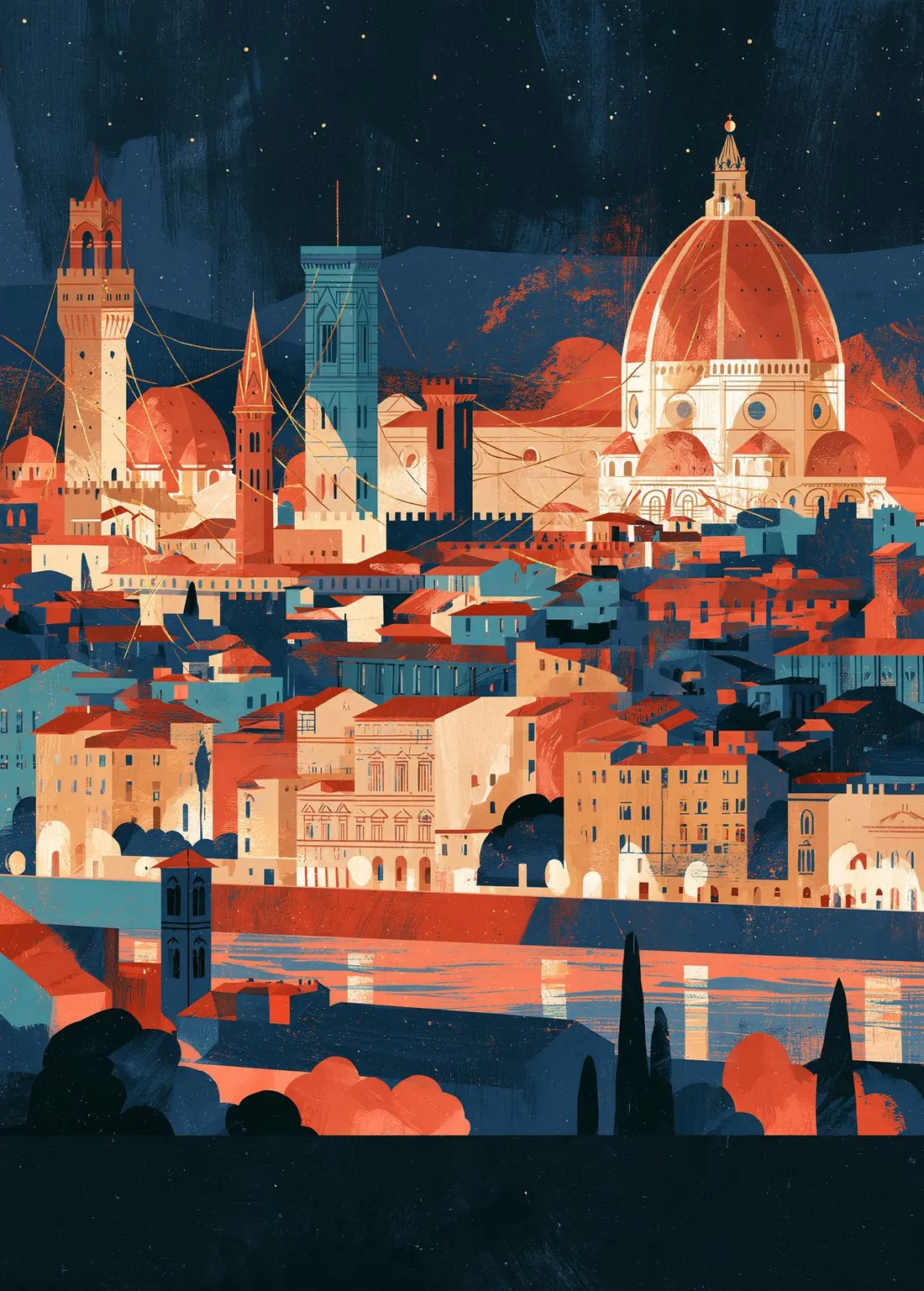
Florence, illustration
01 · HISTORYTHE MEDICI 02 · MATHEMATICSGRAPH THEORY 03 · ANTHROPOLOGYHUMAN CONNECTIONS

MISSION

betellgaze — education for those for whom one perspective is not enough.

HARD IDEAS.
HARD COURSES.
MULTIFACETED EDUCATION.

In today’s world, to succeed it’s often enough to do one thing well. But real discoveries, truly original ideas and outstanding results demand more: uniting and synthesising several fields, approaches and ideas — often radically different ones.

Almost every educational course tries to answer a single question: how can I learn this in the easiest way? Our approach is the complete opposite: what’s the hardest thing I can learn?

We will not try to simplify ideas, and we will not make you an expert in two hours. What we promise is a unique vision — one you won’t get anywhere else.

CONNECTIONS YOU HAVEN’T NOTICED.
IDEAS YOU HAVEN’T THOUGHT OF.

COURSE 01

CONNECTIONS

WHICH PREVAILS — THE POWER OF THE FEW OR THE CONNECTIONS OF THE MANY?

The Connections course approaches this question from three sides — history, mathematics and anthropology. Three modules, three languages, one answer.

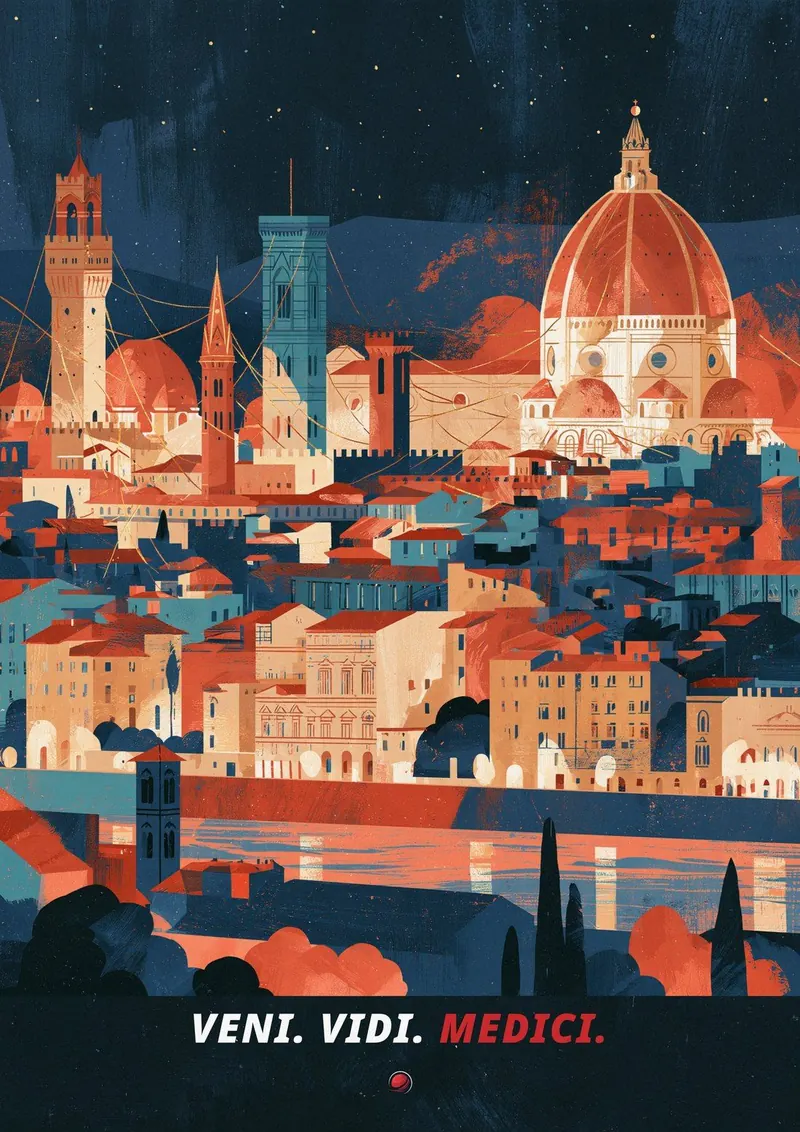
Florence, illustration

MODULE 01 · HISTORY

THE MEDICI

How one family turned marriages, loans and friendships into the governing system of a republic, 1400–1434.

6 topics
  1. Florence, 1400A republic of guilds, factions and the oligarchy of the Albizzi.
  2. BankGiovanni di Bicci, the papal accounts, promissory notes and double-entry bookkeeping.
  3. Two kinds of webMarriage and business deals: the hidden architecture of the Medici.
  4. 1433–1434Cosimo’s exile and triumphant return: the web of connections is tested under pressure.
  5. Power without officeKingship without a crown — governing as if no one is governed.
  6. PatronageBrunelleschi, Donatello, the young Michelangelo: art and ideas as social capital.
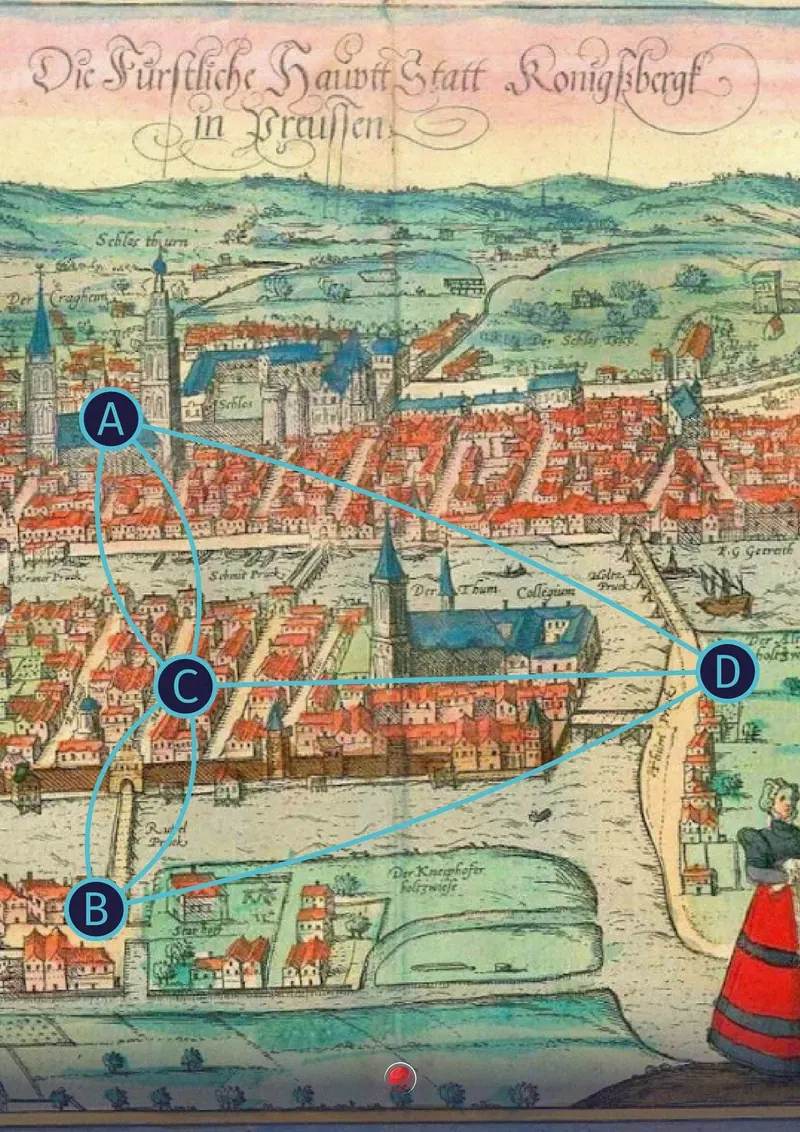
The bridges of Königsberg, engraving

MODULE 02 · MATHEMATICS

GRAPH THEORY

From Euler’s seven bridges (1736) to modern network science: nodes, edges and the power of the broker.

6 topics
  1. Königsberg, 1736The notion of a graph — vertices, edges, degree; Euler paths and Euler cycles.
  2. Euler’s theorem and its proofThe “handshake lemma” — the sum of the degrees is always twice the number of edges.
  3. Paths and distancesThe shortest path, connectedness, the diameter of a graph; Dijkstra’s algorithm (1959).
  4. The mathematics of centralityDegree, closeness, brokerage — the formulas by which the Medici advantage becomes a number.
  5. Random graphs and the small worldThe Erdős–Rényi model (1959) and “six degrees of separation” (Watts and Strogatz, 1998).
  6. The network as a matrixThe adjacency matrix and the eigenvector — the mathematics by which Google ranks pages (PageRank, 1998).
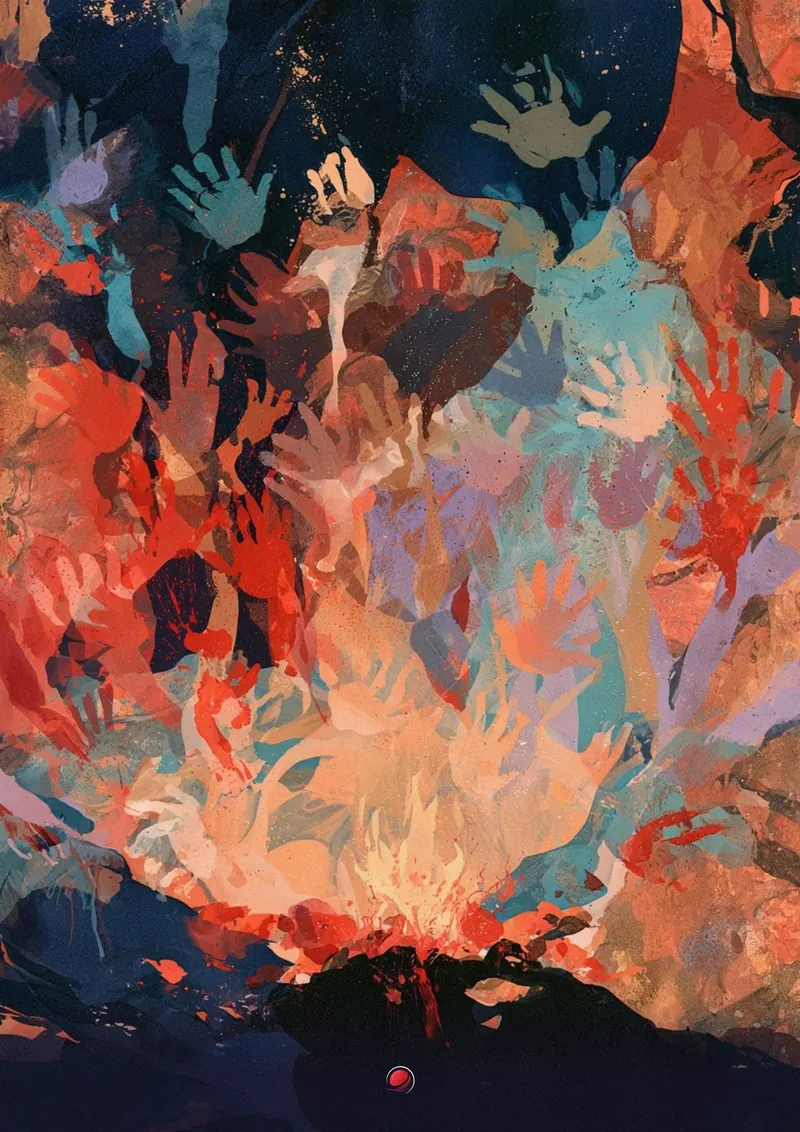
Handprints, illustration

MODULE 03 · ANTHROPOLOGY

HUMAN CONNECTIONS

Handprints on a cave wall, a wedding feast, sworn brotherhood — for millennia, humans have been weaving connections.

5 topics
  1. Hands on the wallHandprints in Argentina’s “Cave of the Hands” (c. 9,000–13,000 years ago).
  2. The gift and obligationGiving, receiving, reciprocating (Mauss, 1925); the kula ring (Malinowski, 1922).
  3. Ritual and trustThe supra, the tamada and sworn brotherhood as a technology of trust; rites of passage (van Gennep, 1909).
  4. The social brainDunbar’s number (~150, 1992), its critics, and the circles of relationships — 5, 15, 50, 150.
  5. Weak ties and bridgesGranovetter (1973) and Burt (1992) — the return of graph theory to the human world.

AFTER THE COURSE,
YOU WILL:

01

SEE HIDDEN STRUCTURE

Who is connected to whom, and why — in politics, in history, in organisations.

02

THE BROKER’S POWER

Whoever connects different worlds controls what flows between them.

03

THE LONG VIEW

How trust and influence are built over years — and why some connections survive a crisis and others don’t.

04

A NEW LANGUAGE

See any system — an organisation, a market, a supply chain — as vertices and edges, and describe its structure precisely.

05

MEASURE INFLUENCE

Who stands at the centre of a network, who is the broker — and why that often doesn’t match the official hierarchy.

06

HUMAN RELATIONSHIPS

See them with new eyes: the supra, the wedding and sworn brotherhood are rules that create and preserve connection.

07

SHARED NARRATIVES

Learn what unites a friendship, a city, a nation, a civilisation: the stories they share.

LECTURERS

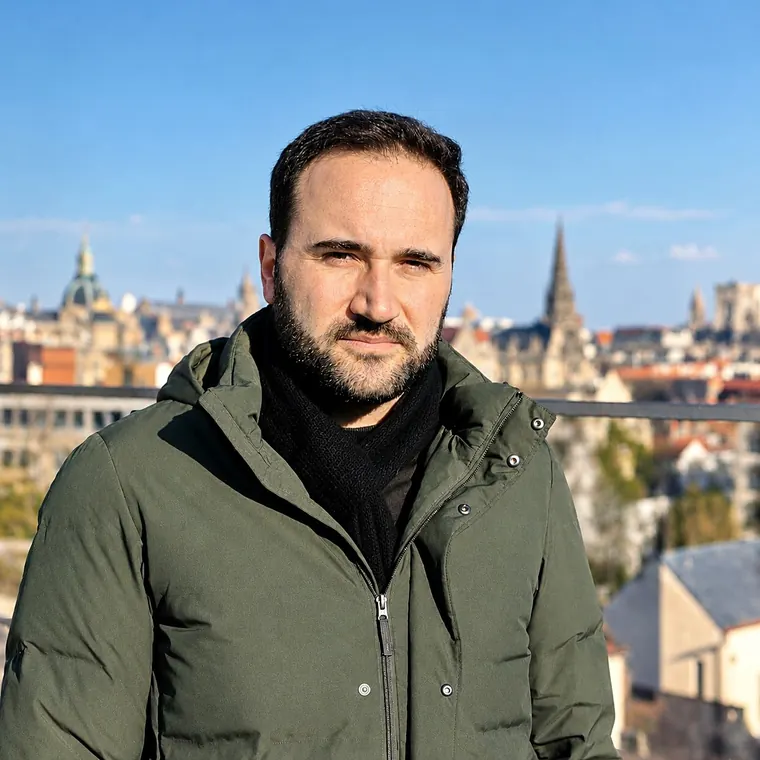
Nikoloz Aleksidze

MODULE 01 · HISTORY

NIKOLOZ ALEKSIDZE

Professor; Dean of the School of Governance and Social Sciences, Free University. DPhil in Oriental Studies, University of Oxford (2014).

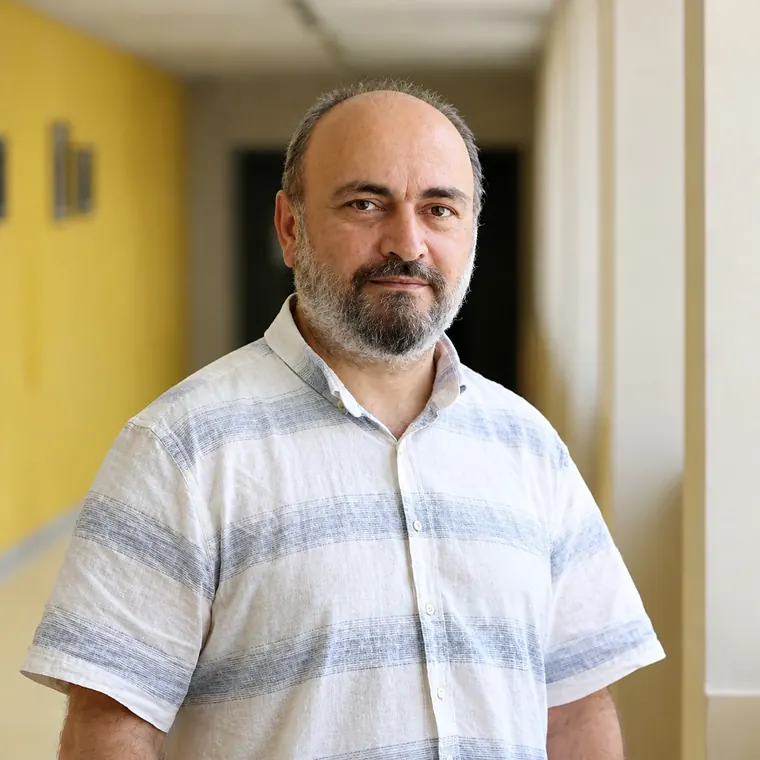
David Gabelaia

MODULE 02 · MATHEMATICS

DAVID GABELAIA

Associate Professor. PhD in Logic and Computation, King’s College London (2005).

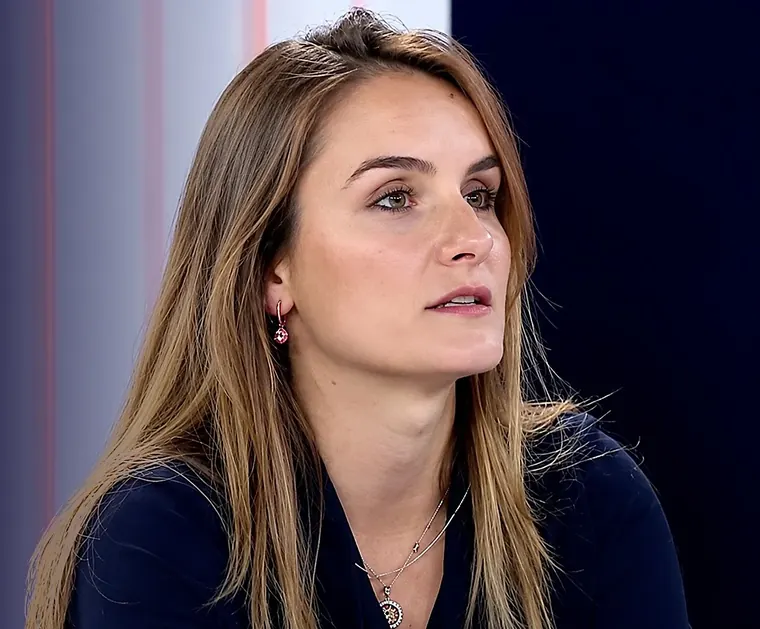
Nutsa Batiashvili

MODULE 03 · ANTHROPOLOGY

NUTSA BATIASHVILI

Professor; Dean of the Graduate and Doctoral School. PhD in Anthropology, Washington University in St. Louis (2014).

DATES AND PRICE

Starts
21 November 2026
When
Every Saturday, 15:00–18:00
Duration
12 sessions · 36 hours
Last session
13 February 2027

Price

5 000 ₾

Payment can be split into instalments.
Seats are confirmed after each application is reviewed.

Request a seat

21

Nov

28

Nov

5

Dec

12

Dec

19

Dec

26

Dec

New
Year
break

9

Jan

16

Jan

23

Jan

30

Jan

6

Feb

13

Feb

■ History · ■ Mathematics · ■ Anthropology

COURSE 02SOON

PERSUASION

How one mind changes another. The oldest art of public life, seen from several sides.

Notify me when it opens →
COURSE 03SOON

DOWNFALL

Why empires, companies and ideas collapse — and what the moment before the fall looks like.

Notify me when it opens →
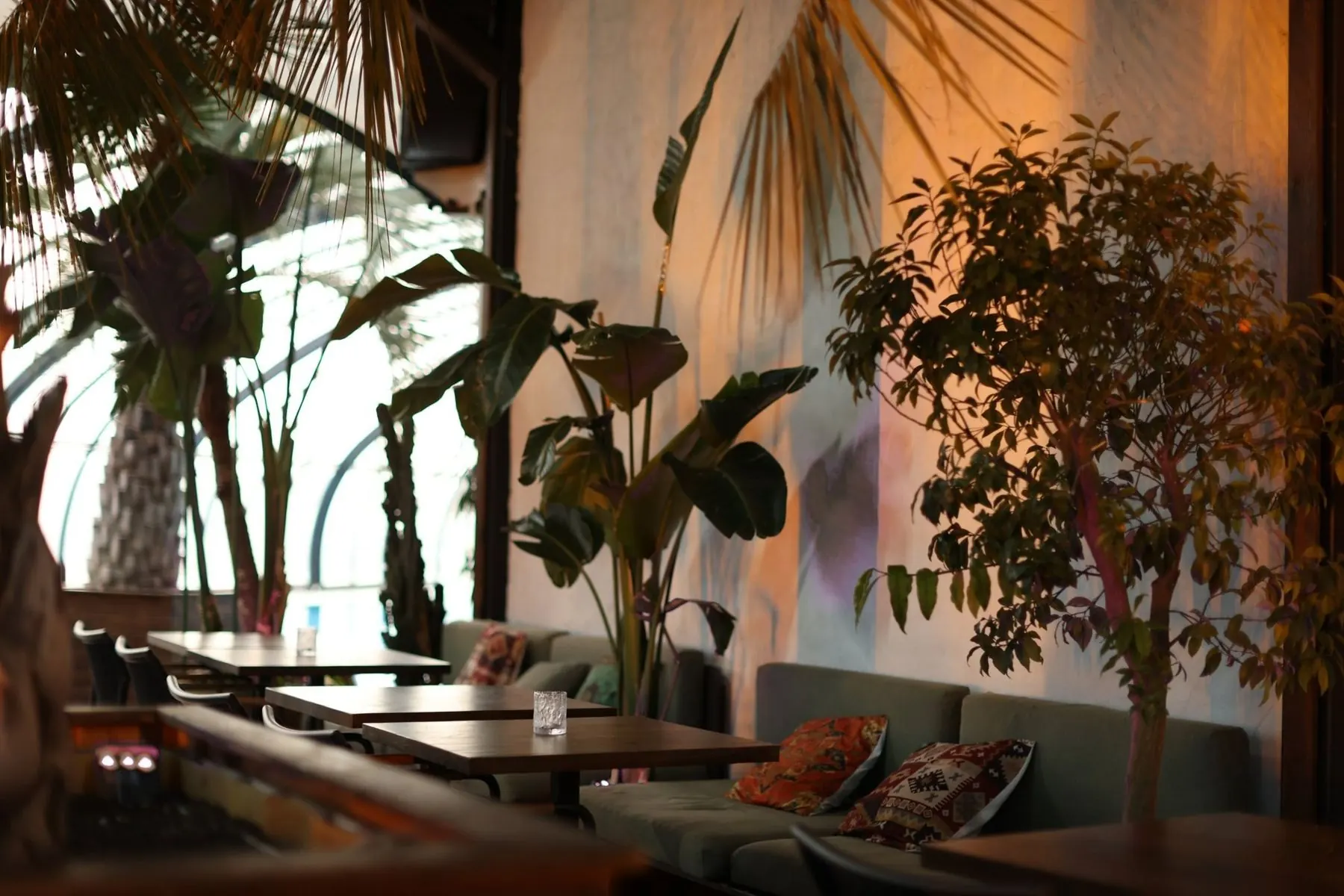
KING DAVID — the garden by candlelight

VENUE · TBILISI

KING DAVID

THE GARDEN WHERE THOUGHT IS BORN

In ancient Athens, philosophy was taught not in a lecture hall but in a garden. A small circle, an open sky and living conversation — this is how the ideas were born that shaped two thousand years of thought.

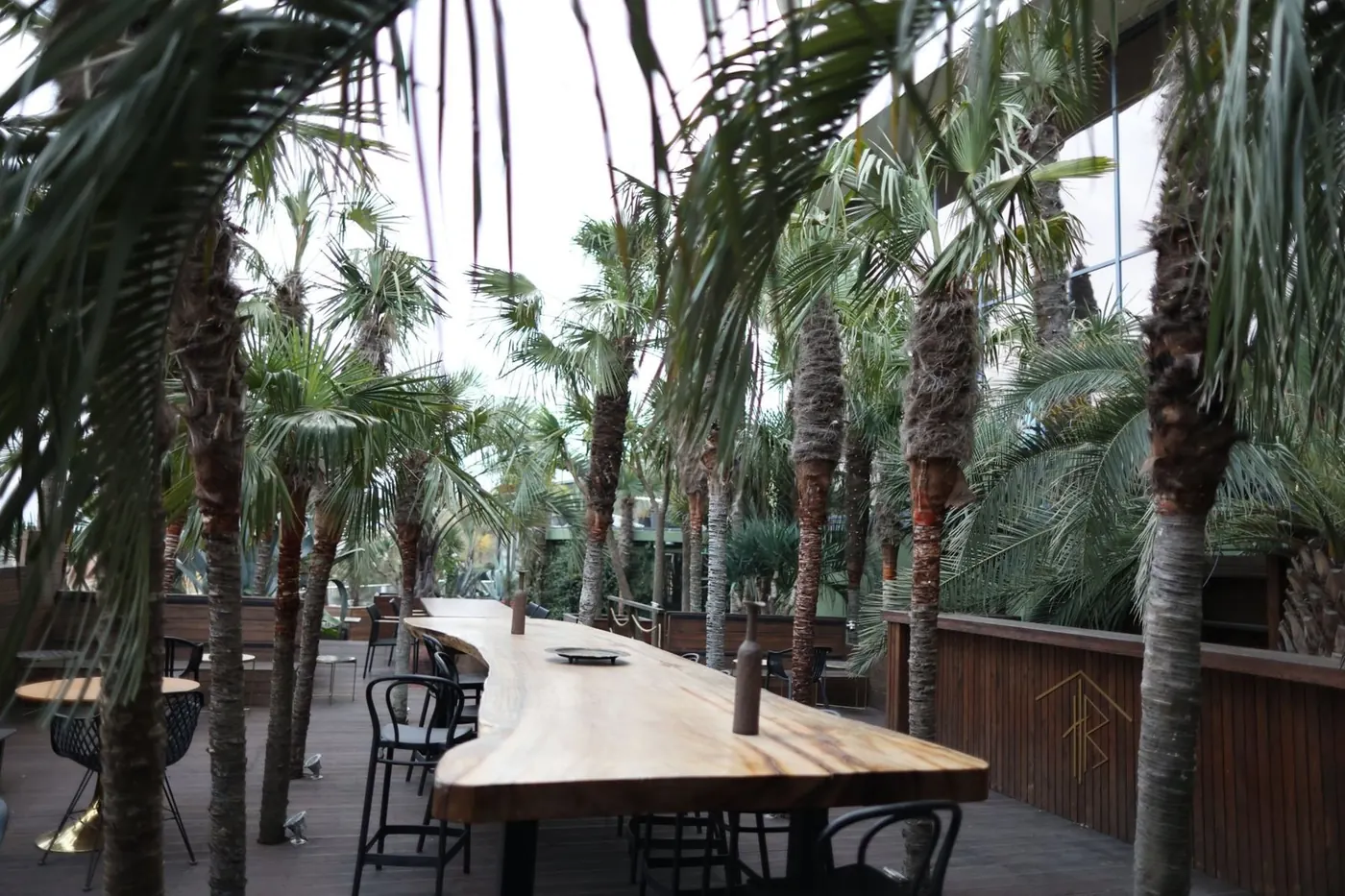
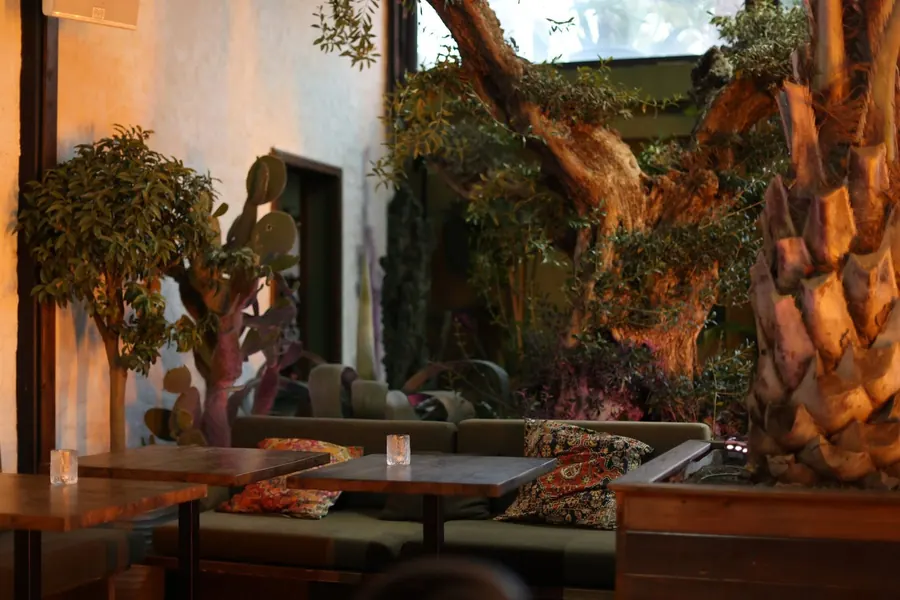
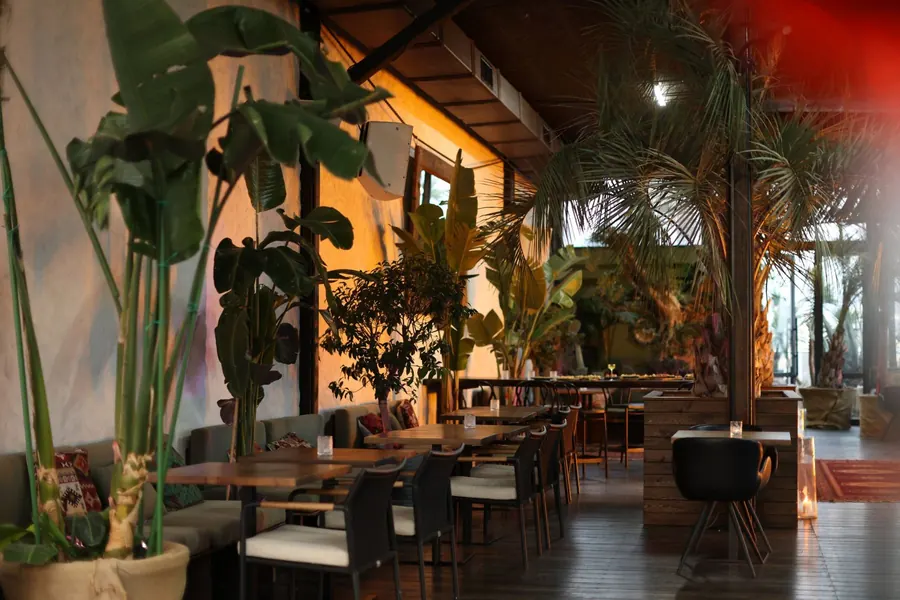
KING DAVID is the modern continuation of this tradition: palm trees and olive trees, candlelight and an open sky above Tbilisi. There is no classroom and no blackboard here — there is one table, conversation and ideas.

ONE TABLE. CONVERSATION. IDEAS.

KING DAVID — a long table among the palms KING DAVID — sofas and plants KING DAVID — the hall

Address

King David Residences
12 Merab Aleksidze St, Tbilisi

Sessions

Every Saturday, 15:00–18:00

Open in Google Maps ↗

07 · APPLICATION

REQUEST A SEAT

The success you have achieved is proof that you have already chosen the hard way more than once. Will you choose it again?

Course